Mr. Losberne
Mr. Losberne, the surgeon of Chertsey, is a figure of impulsive warmth and eccentric good humor whose role in Oliver Twist extends far beyond his medical profession. Known throughout a circuit of ten miles simply as "the doctor," he is a fat, hearty, and kind old bachelor whose actions are governed by sudden generous impulses rather than cautious calculation. It is this very nature that makes him an indispensable protector and advocate for Oliver after the boy is shot during the burglary at Mrs. Maylie's house, and a key agent in the eventual revelation of Oliver's true identity.
Identity and Character
Mr. Losberne is introduced as a man who has grown fat "more from good-humour than from good living," a description that captures his essential benevolence. He is an eccentric bachelor, prone to bustling about and speaking with great vehemence, yet his impulsiveness is consistently directed toward kind ends. The narrator notes that the excellent doctor had "never acted upon anything but impulse all through his life," and that this trait, far from leading him into trouble, had earned him "the warmest respect and esteem of all who knew him." His physical appearance—stout, with a tendency to frown frightfully when thinking—belies a deeply compassionate heart, one that is immediately moved by the sight of the wounded Oliver.
Role in Oliver's Rescue and Recovery
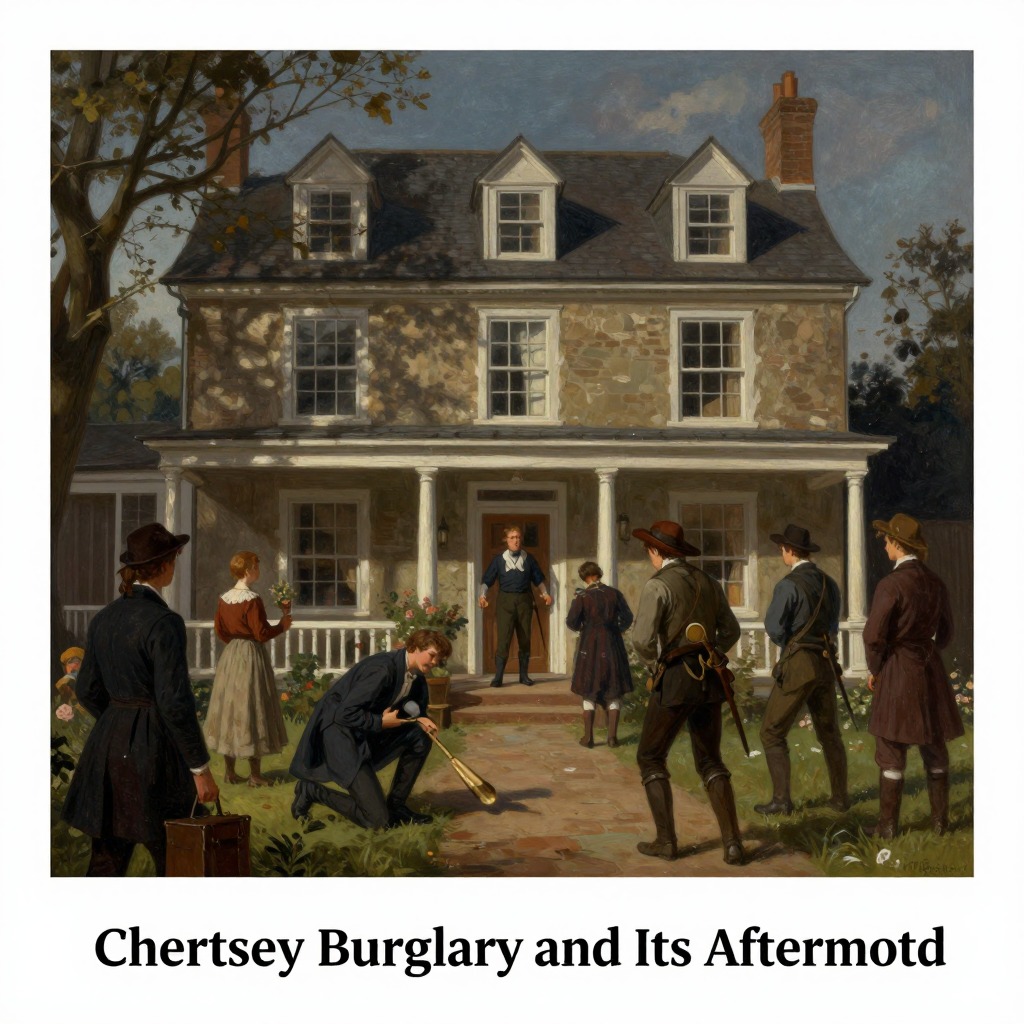
Mr. Losberne's first and most critical intervention comes when he is summoned to treat Oliver, who has been shot and left for dead. Upon examining the boy, he is struck by the extraordinary nature of the case and immediately takes charge, both medically and strategically. He declares that Oliver is not in mortal danger, but he recognizes the peril the boy faces from the law. To protect him, the doctor devises a bold plan: he will bully the servants, Giles and Brittles, into doubting their own identification of Oliver as the burglar. He secures a "full and unlimited commission" from Mrs. Maylie to manage the situation, and through a combination of bluster and clever questioning, he sows enough confusion to make the Bow Street officers, Blathers and Duff, abandon their case against the boy. This act of protective deception is a testament to his loyalty and his willingness to bend the rules for a just cause. He later takes Oliver on a journey to find Mr. Brownlow, and when they discover the house is empty, he turns the carriage homeward, sparing Oliver further disappointment.
Relationship with Oliver and the Maylies
Mr. Losberne develops a deep, paternal affection for Oliver, treating him with a mixture of gruff kindness and genuine concern. He is the one who, after hearing Oliver's full story, wipes his eyes and condemns them for being weak, before going downstairs to confront Giles. His relationship with the Maylies is one of long-standing friendship; he is a trusted confidant and advisor. When Rose Maylie falls dangerously ill, it is Mr. Losberne who attends her and who delivers the agonizing news that there is "very little hope." His emotional investment is profound, and his joy at her recovery is as unrestrained as his earlier despair. He is also a close friend of Mr. Brownlow, and the two men work together, despite their similarly irascible temperaments, to bring Monks to justice and secure Oliver's inheritance.
Narrative Role and Thematic Significance
Mr. Losberne functions as a moral and practical anchor within the novel's world of corruption and danger. He represents the power of benevolent, decisive action in the face of institutional indifference and criminal malice. His impulsiveness is not a flaw but a virtue, a direct contrast to the cold, calculated cruelty of figures like Fagin and the bureaucratic heartlessness of the parish authorities. He is the embodiment of the novel's belief that individual kindness, even when rash, can triumph over systemic evil. His final act is to settle in a cottage near the parsonage where Harry and Rose live, taking up gardening and carpentry with his characteristic impetuosity, and cementing his place in the happy, domestic resolution of the story.